Prompt to game: turn one sentence into a playable browser game
A prompt turns into a playable game when it names the genre, the setting, the one thing the player does and how a round ends. Below are three real prompts and the three browser games Claude Code built from them, each one playable here with its measured minutes and cost.
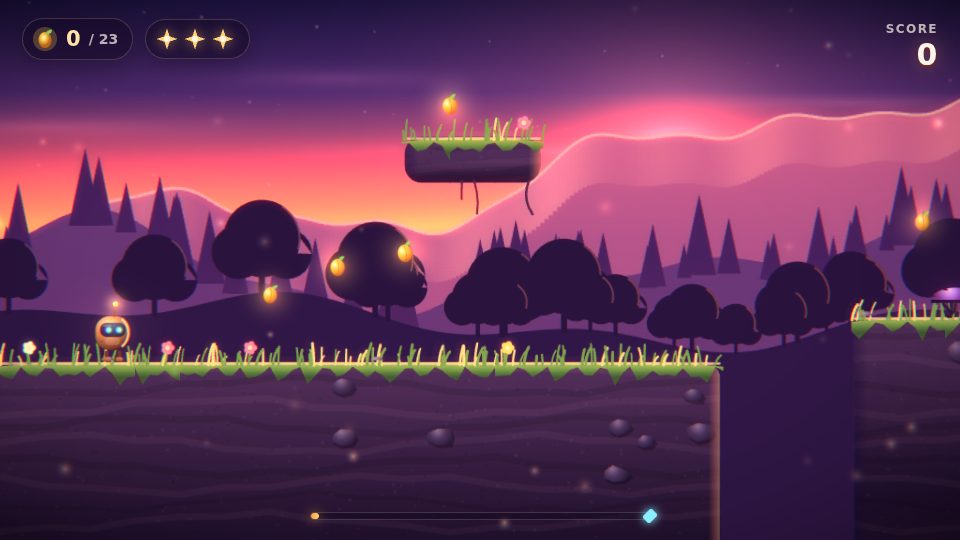
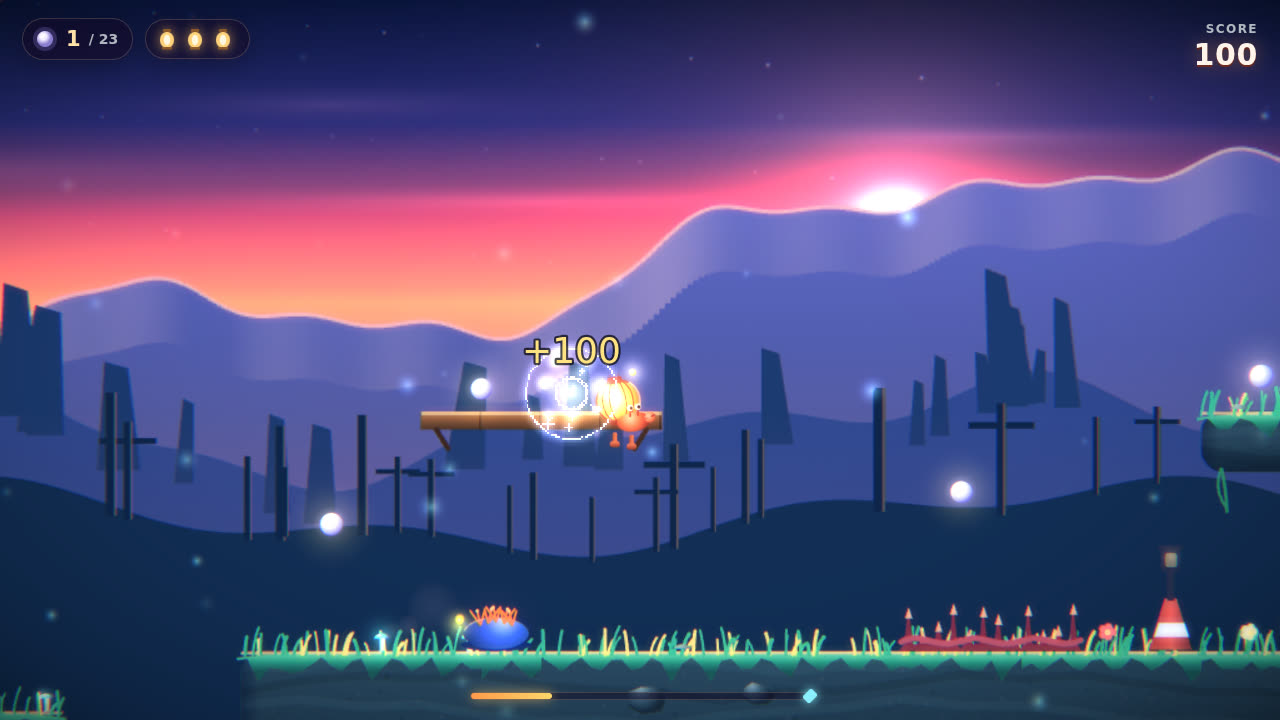 TidewickPlatformer: 9.1 minutes, about 1% of a Claude Max week“Make a platformer where a hermit crab with a lantern for a shell crosses a tidal flat at dusk, gathering pearls and relighting the buoys until it wakes the lighthouse.”
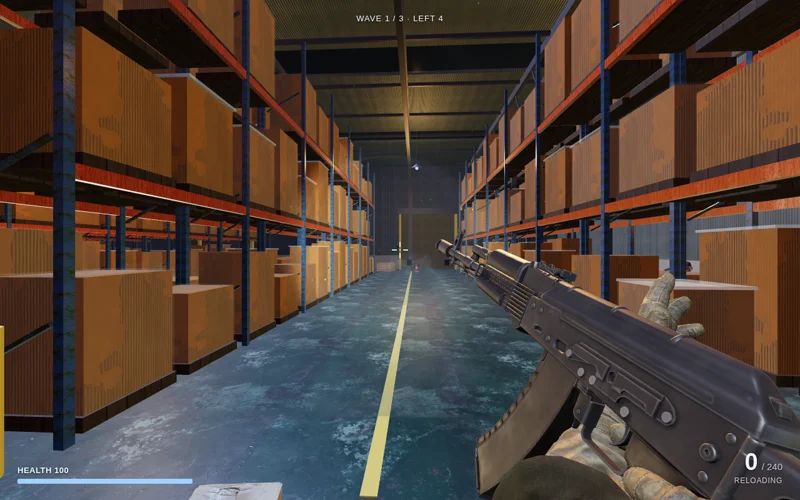
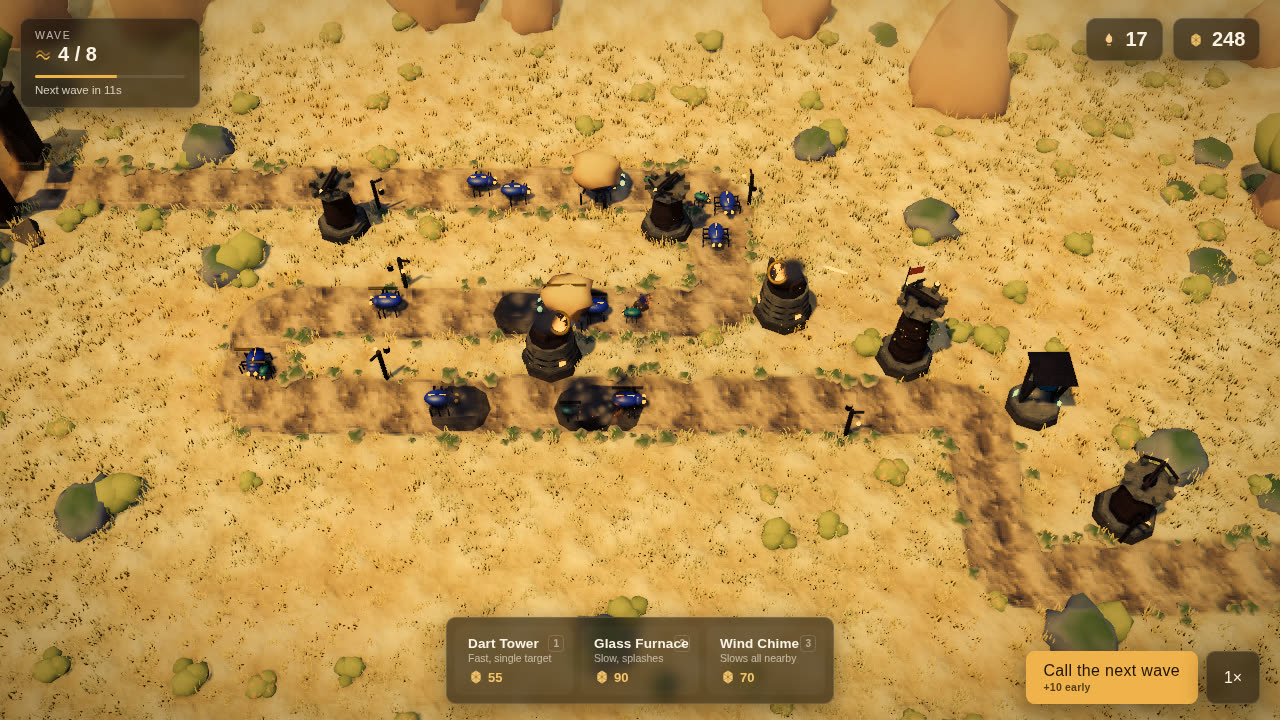 DunewellTower defense: 14.7 minutes, about 1% of a Claude Max week“Make a tower defense game where scarab beetles crawl out of a buried desert gate toward the last well, and I build towers along the caravan road to stop them.”
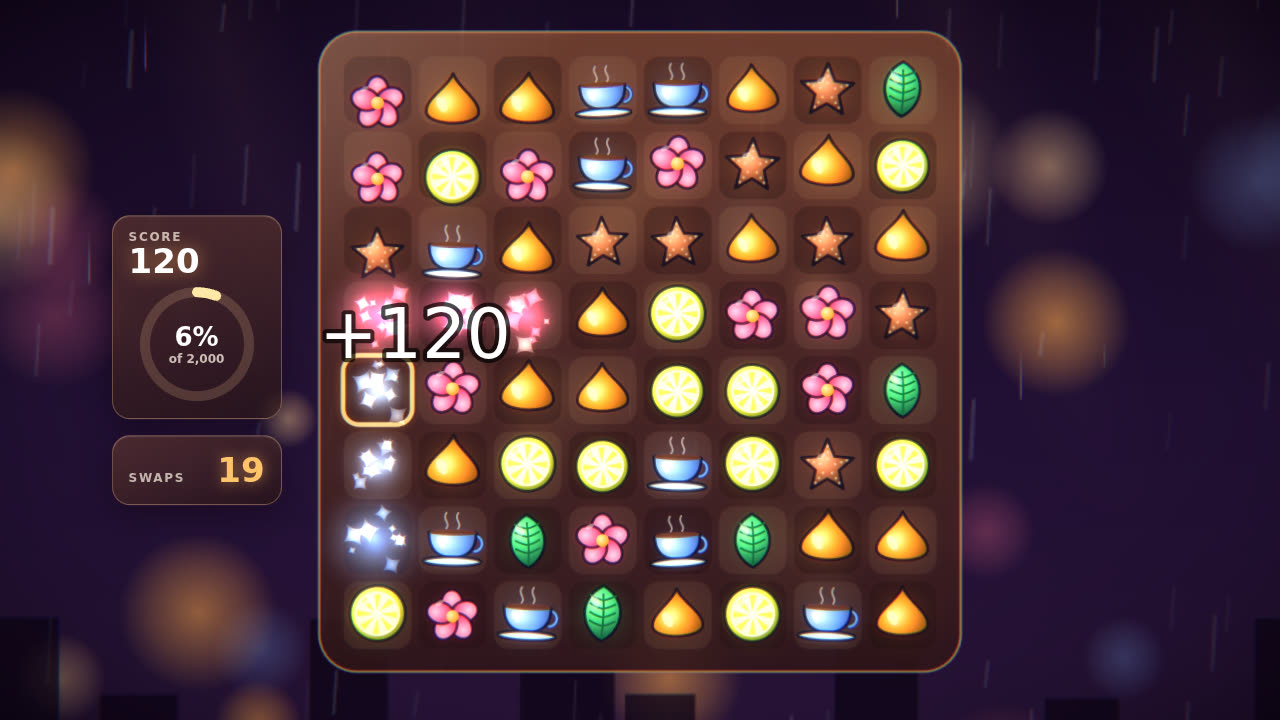
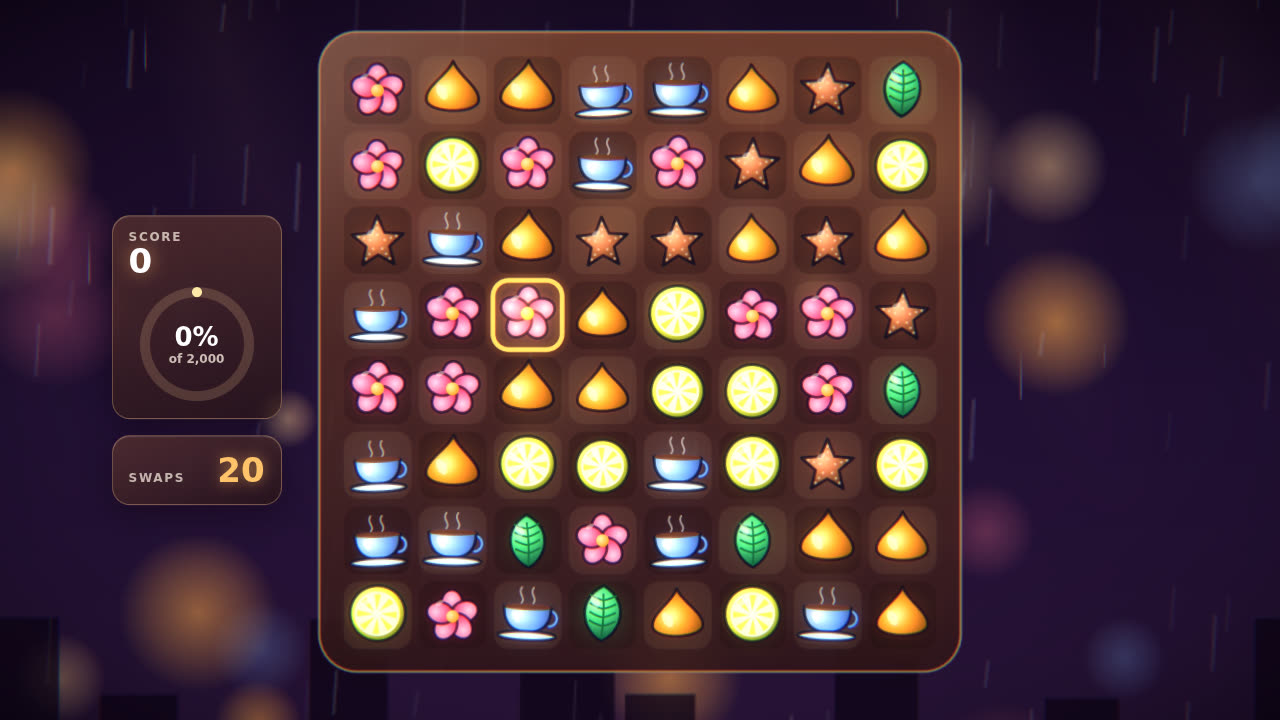 KettlesongMatch-three: 4.4 minutes, about 1% of a Claude Max week“Make a cosy match-three set in a rainy night teahouse where I swap tea things and have 20 swaps to reach 2,000 points.”
- 3 prompts
- one sentence each, three genres
- 4.4 to 14.7 min
- from the sentence to a passing playtest
- 1% to 1%
- of a Claude Max week (estimate)
- 31 to 32 checks
- passed in each playtest
Based on one Cold Chain session on Claude Max 20x (16 Nov 2026) that included other work.
1. What each prompt named
You decide four things and leave the rest to the agent. Each sentence named a genre, a setting, a verb and an end. The agent picked the starter that matched the genre, then chose the hero, the enemies, the pieces and the look, so the sentence stayed short.
| The prompt names | Tidewick | Dunewell | Kettlesong |
|---|---|---|---|
| Genre | Platformer | Tower defense | Match-three |
| Setting | A tidal flat at dusk | A desert road | A rainy night teahouse |
| The verb | Run, jump and stomp | Build towers along the road | Swap neighbours |
| How it ends | Wake the lighthouse | Hold the well | Reach 2,000 points in 20 swaps |
| Left to the agent | A crab, slugs, pearls and the level | Scarabs, three towers and eight waves | Six tea things and the tray |
2. Prompt 1: Tidewick
Make a platformer where a hermit crab with a lantern for a shell crosses a tidal flat at dusk, gathering pearls and relighting the buoys until it wakes the lighthouse.You play the game the sentence made. Tidewick took 9.1 minutes from this sentence to a passing playtest of 31 checks, and the requests used about 1% of a Claude Max week. It is 263 KB in one file. The stamps are in the receipts file.
The step-by-step build, with what broke and how it was fixed, is in the platformer guide.
Arrow keys or A and D run, Space or W jumps. On a phone, use the buttons at the bottom.
Play in a full tabDownload gameNotices3. Prompt 2: Dunewell
Make a tower defense game where scarab beetles crawl out of a buried desert gate toward the last well, and I build towers along the caravan road to stop them.You play the game the sentence made. Dunewell took 14.7 minutes from this sentence to a passing playtest of 32 checks, and the requests used about 1% of a Claude Max week. It is 798 KB in one file. The stamps are in the receipts file.
The step-by-step build, with what broke and how it was fixed, is in the tower defense guide.
Press 1, 2 or 3 or tap a tower card, then tap open ground beside the road. Space calls the next wave.
Play in a full tabDownload gameNotices4. Prompt 3: Kettlesong
Make a cosy match-three set in a rainy night teahouse where I swap tea things and have 20 swaps to reach 2,000 points.You play the game the sentence made. Kettlesong took 4.4 minutes from this sentence to a passing playtest of 31 checks, and the requests used about 1% of a Claude Max week. It is 200 KB in one file. The stamps are in the receipts file.
The step-by-step build, with what broke and how it was fixed, is in the match-three guide.
Drag a piece onto its neighbour, or tap two neighbours. Arrow keys and Space work too.
Play in a full tabDownload gameNotices5. What a prompt cannot do alone
You pair the sentence with rules that already work. Sorceress writes that a prompt can produce a convincing title screen while the game underneath has no clear rules, no failure state and no reason to play twice, and that a prompt works when it defines one complete loop. Manus puts the same idea as describing a game in a few sentences, then changing anything with follow-up prompts.
In these three builds the loop came from the starter: running and stomping, building and upgrading, swapping and cascading, each with a win, a loss and a restart. The prompt set the theme, the goal and the size, and a playtest checked that a round could be won. A sentence with no starter under it has to invent the rules too, and that is where the title screen with no game comes from.
6. Write yours
You fill four blanks in one sentence. Make a genre where who you play does the one verb in the setting, and the round ends when the end. Add one number for the size, such as 20 swaps or eight waves. Leave out the speed of the jump, the color codes and the file names; the agent and the starter handle them.
Then play the result and answer in one sentence at a time, the way the vibe coding guide shows. The starters are part of the $29 a year kit on the pricing page, with ten genres, and Claude access is billed separately. The kit's game idea generator writes a sentence like these for you, with the closest starter. See the run record for every number on this page.
Questions
What is prompt to game?
Prompt to game means describing a game in text and getting a playable one back. Tools such as Manus, whose prompt-to-game page says to describe a game in a few sentences and play it in your browser, do it in a hosted app. This guide does it with Claude Code, which writes the game into your own folder.
Can AI make a game from a text prompt?
Yes, for a small game. Each of three one-sentence prompts here produced a playable browser game that passed a playtest, in 4.4, 9.1 and 14.7 minutes. They started from tested starters, so the rules were already in place and the prompt could set the theme, the goal and the size.
What should a prompt for a game include?
Name the genre, the setting, the one thing the player does most and how a round ends. Add a number if you want a size, like 20 swaps or eight waves. The Sorceress blog says a prompt works when it defines one complete loop with controls, an objective, failure and restart.
What is the difference between text to game and prompt to game?
They name the same idea. Text to game and prompt to game both mean turning written words into a playable game. The difference that matters is the result: a hosted page you play on someone else's site, or a file you own and can edit, which is what Claude Code in your folder produces.
How long does it take to turn a prompt into a game?
Between 4.4 and 14.7 minutes for these three, measured from the sentence to a passing playtest on 24 November 2026. The requests used an estimated 1% to 1% of a Claude Max week.